Mica powder adds a stunning shimmer to countless products worldwide. However, not all shimmering dust is equal in safety and quality. Many crafters mistakenly believe that any “shiny powder” works for all projects. Consequently, using the wrong grade can lead to skin irritation or chemical contamination. This guide breaks down the critical differences between the three main tiers. We help you choose the right mica powder for soap and other creative ventures.
1. Cosmetic Grade: The Gold Standard for Skin
Cosmetic grade mica must meet the strictest safety regulations in the world.
Rigid Heavy Metal Controls
Safety starts with the removal of harmful impurities like lead and arsenic. Consequently, cosmetic mica maintains lead levels far below 10ppm. Furthermore, every batch undergoes rigorous testing for toxic contaminants. This ensures the powder is safe for lips, eyes, and body. Therefore, it is the only choice for products touching the human body.
Sterile Processing and Particle Uniformity
Manufacturers process this grade in ultra-clean environments to prevent bacterial growth. Consequently, the particles have smooth edges to avoid microscopic skin tears. Furthermore, the color stays vibrant without fading during chemical reactions. Therefore, when you buy mica powder for soap, this grade is mandatory. It protects both the crafter and the final consumer perfectly.
2. Industrial Grade: Built for Durability, Not Safety
Industrial mica serves the world of heavy construction and automotive coatings.
Focus on Heat and Weather Resistance
This grade prioritizes UV stability and chemical resistance for paints and plastics. Consequently, it can withstand harsh outdoor environments and extreme heat. Furthermore, the cost is significantly lower for large-scale manufacturing projects. However, it may contain trace amounts of heavy metal impurities. Therefore, you should never use industrial mica in any topical application.
3. Art Grade: Designed for Canvas and Decor
Art grade mica bridges the gap between industrial utility and creative beauty.
Visual Appeal Without Bio-Testing
Artistic pigments offer incredible color variety for resin and oil paintings. Consequently, they allow painters to achieve deep, metallic textures on canvas. Furthermore, these powders often feature larger glitter sizes for high-impact decor. However, manufacturers do not guarantee skin safety or microbial purity. Therefore, art grade is strictly for non-cosmetic, decorative hobbies only.
4. Why “Soap Makers” Must Never Compromise
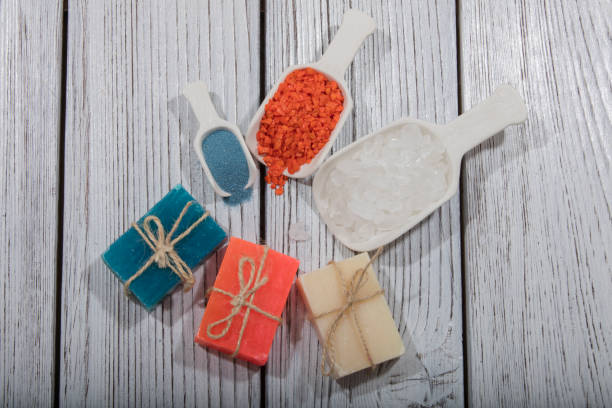
The saponification process in soap making involves high pH levels.
-
Chemical Stability: Cosmetic mica survives the harsh environment of cold process soap.
-
Non-Bleeding Colors: Professional grades stay within their layers without smearing.
-
Total Transparency: Brands provide certificates of analysis (COA) for every color.
Consequently, using industrial or art grades in soap is a major risk. Furthermore, non-cosmetic powders can cause unpredictable color changes during the cure. Therefore, always verify the “skin-safe” label before starting your batch. High-quality mica powder for soap ensures your handmade bars are both beautiful and safe.
Conclusion: Purity Defines the Shine
The value of your work depends on the safety of your ingredients.
Stop risking skin health by using cheap, unverified pigments in your crafts. Instead, embrace the peace of mind that comes with cosmetic-grade brilliance. Consequently, your soaps and lotions will meet the highest professional standards. Experience the vibrant, safe colors that define true artisan excellence today. Your skin deserves the purest shimmer available on the market.