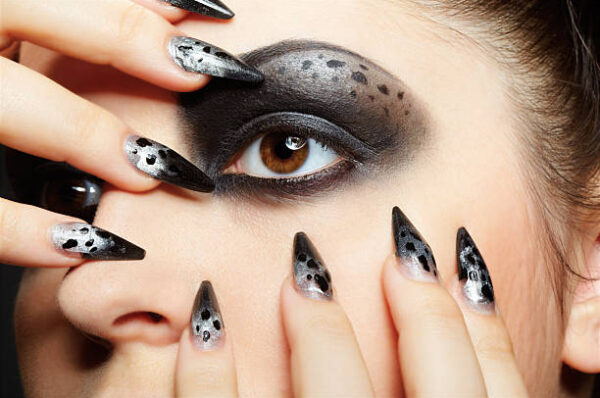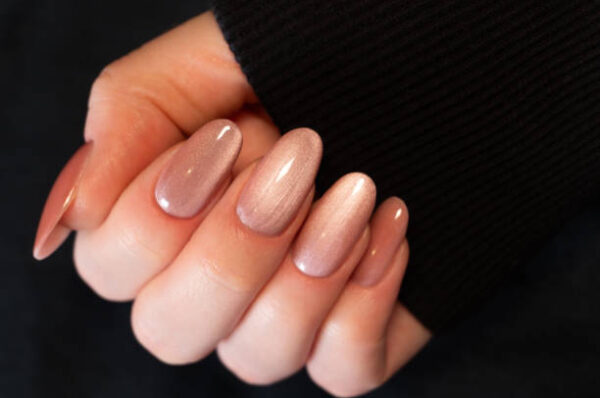
For decades, the human obsession with “shimmer” has been a visual language of celebration, glamour, and self-expression. From the red carpet to festival mud-pits, glitter has been the tool of choice for those wishing to capture a fragment of starlight on their skin. However, as the veil of environmental ignorance lifts, a harsh reality has emerged: our collective sparkle has left a permanent, plastic scar on the planet.
The traditional glitter industry, built on Polyethylene Terephthalate (PET), has contributed to a silent ecological crisis. But today, a new dawn is breaking. The rise of cosmetic biodegradable glitters represents more than a material shift—it is an ethical awakening. It is the realization that true beauty should not require the dimming of the Earth’s natural brilliance.
I. The Hidden Shadow of the Sparkle: The PET Crisis
To understand the necessity of biodegradable alternatives, we must first address the “original sin” of the glitter world. Traditional glitter is essentially a microplastic.
1. The Microplastic Pathway
Standard cosmetic glitter is made by vacuum-metalizing plastic film, which is then cut into microscopic shapes (hexagons, squares, or circles). Because these particles are smaller than 5mm, they bypass wastewater filtration systems. When you wash off your evening makeup, thousands of plastic shards journey from your sink directly into the rivers and eventually the oceans.
2. Biological Accumulation
Once in the water, these PET particles act as “toxic magnets,” absorbing persistent organic pollutants (POPs). Plankton and small fish mistake the shimmer for food, allowing plastic—and its associated toxins—to enter the food chain, eventually reaching human plates. The “starlight” on an influencer’s eyelid yesterday becomes the pollutant in the ocean’s ecosystem tomorrow.
II. The “Starlight Revolution”: Defining Cosmetic Biodegradable Glitters
The revolution lies in the transition from extraction and pollution to regeneration and harmony. Modern cosmetic biodegradable glitters are engineered to provide the same refractive index and color vibrancy as plastic, but with a fundamentally different DNA.
1. Plant-Based Origins
The core of eco-friendly glitter is usually derived from Cellulose, the structural component of primary cell walls in green plants. Specifically, high-quality biodegradable glitter uses cellulose sourced from sustainably managed forests (often Eucalyptus).
2. The Science of Degradation
Unlike PET, which lasts centuries, cellulose-based glitters are designed to biodegrade. Once they enter compost, soil, or wastewater, microbes identify plant fibers as nutrients. Then, enzymatic processes actively break the glitter into water and biomass.

III. Aesthetics Without Compromise: The Performance Gap is Closed
A common misconception is that “natural” means “dull.” In the early days of eco-makeup, biodegradable options struggled with heat resistance and color bleed. However, the current generation of cosmetic biodegradable glitters has closed the performance gap entirely.
1. Precision Refraction
Through advanced thin-film technology, manufacturers coat plant-based cellulose with natural minerals or cosmetic pigments. As a result, the material achieves a refined metallic finish. Moreover, these glitters deliver high-shine brilliance for photography and stage performances.
2. Cosmetic Safety and Skin Feel
Plastic glitter is often sharp, leading to micro-abrasions on sensitive eyelid skin. Cellulose-based glitter is naturally softer. It is 30–40% softer than PET glitter, providing a more comfortable “silk-touch” feel. For the professional makeup artist, this means a product that adheres better to the skin and creates less irritation during long wear.
3. Stability in Formulations
High-end cosmetic biodegradable glitters are now resistant to “bleeding” in water-based gels, creams, and oils. This allows cosmetic chemists to incorporate them into everything from lip glosses to body lotions without losing the integrity of the sparkle.
IV. The Ethical Pivot: Redefining Luxury in the 21st Century
In the modern market, “luxury” is no longer defined by excess; it is defined by responsibility.
1. The Conscious Consumer
The “Gen Z” and “Millennial” demographics—the primary drivers of the beauty industry—are increasingly making purchasing decisions based on a brand’s environmental footprint. A brand that uses microplastics in 2026 is seen as archaic. Using cosmetic biodegradable glitters is a signal of a brand’s “conscience,” transforming a cosmetic product into a statement of values.
2. Regulatory Compliance
Governments worldwide are tightening the noose on “intentionally added microplastics.” From the EU’s REACH regulations to California’s environmental standards, the legal path for PET glitter is narrowing. Moving to biodegradable solutions is not just a moral choice; it is a strategic necessity for global market access.
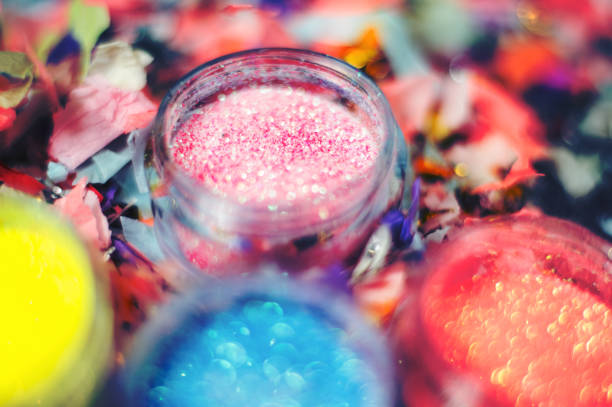
V. The Vision: A Future Where Every Sparkle is a Promise
Imagine a music festival where, as the sun sets, thousands of people dance, their faces shimmering under the lights. In the past, this scene was followed by a “microplastic rain” as the glitter washed off into the local soil and water.
With the adoption of cosmetic biodegradable glitters, that same scene becomes a cycle of beauty. The sparkle on the skin is temporary, but its impact on the earth is neutral. It allows us to indulge in the human desire for “extraordinary” visuals without leaving an “ordinary” mess for future generations.
This is the “Starlight Revolution.” It is the marriage of high-tech material science with a humble respect for the biological world. It proves that we can have the shimmer, the glow, and the brilliance, provided we infuse that starlight with a sense of conscience.
VI. Conclusion: Choose the Glow That Grows
The transition to biodegradable glitter is a litmus test for the beauty industry. It asks a simple question: Is your beauty worth a plastic ocean? By choosing cellulose-based, eco-friendly alternatives, the answer becomes a resounding “No.”
We no longer have to choose between being “stunning” and being “sustainable.” The technology exists to let our eyes sparkle with a radiance that is literally as natural as the plants they were derived from.