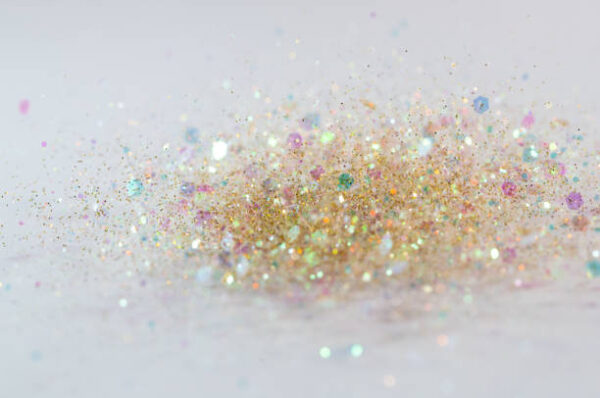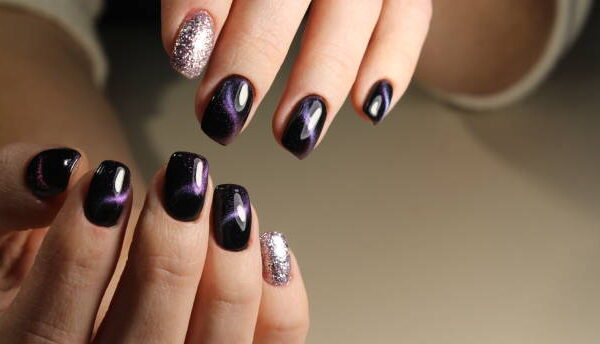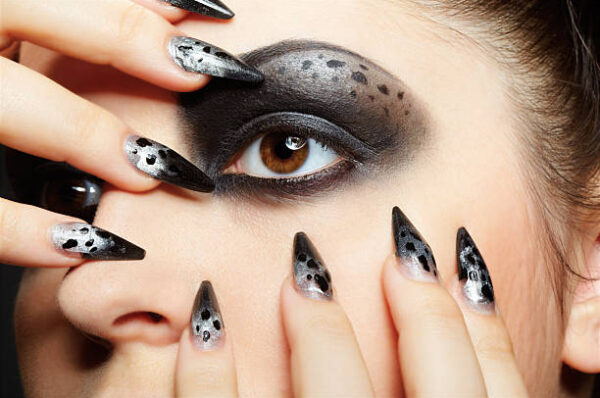
In the vast universe of colorants, few materials possess the chameleonic ability to transcend industries as effortlessly as mica. Often referred to as “Nature’s Glitter,” mica is a naturally occurring mineral that, when coated with iron oxides or titanium dioxide, transforms into a mesmerizing array of shimmering pigments.
However, not all shimmer is created equal. The true “Holy Grail” for creators is the skin-safe mica powders—a category of pigment that meets rigorous purity standards, allowing it to move seamlessly from a high-end eyeshadow palette to a heavy-duty epoxy resin table, and then into a delicate bar of cold-process soap. This article explores how this single aesthetic material serves as a “universal spectrum,” connecting diverse creative fields through its safety, versatility, and sheer visual magic.
1. The Gold Standard: What Makes Mica “Skin-Safe”?
Before a pigment can become a bridge between art and the body, it must pass the test of “skin safety.” Skin-safe mica powders are distinguished by their refining process and mineral purity.
The Purity Protocol
Unlike industrial-grade pigments, which may contain traces of heavy metals, cosmetic-grade mica undergoes intense purification. This ensures the removal of harmful elements like arsenic, mercury, and lead.
-
Micron Size Matters: Skin-safe micas are carefully milled to specific particle sizes (usually measured in microns). Smaller particles create a silky, pearlescent sheen, while larger particles provide a bold, glittery sparkle.
-
The Regulatory Shield: These powders are formulated to comply with global safety standards (such as the FDA or EU cosmetic regulations), ensuring they won’t irritate when applied to the skin in lotions, bath bombs, or makeup.
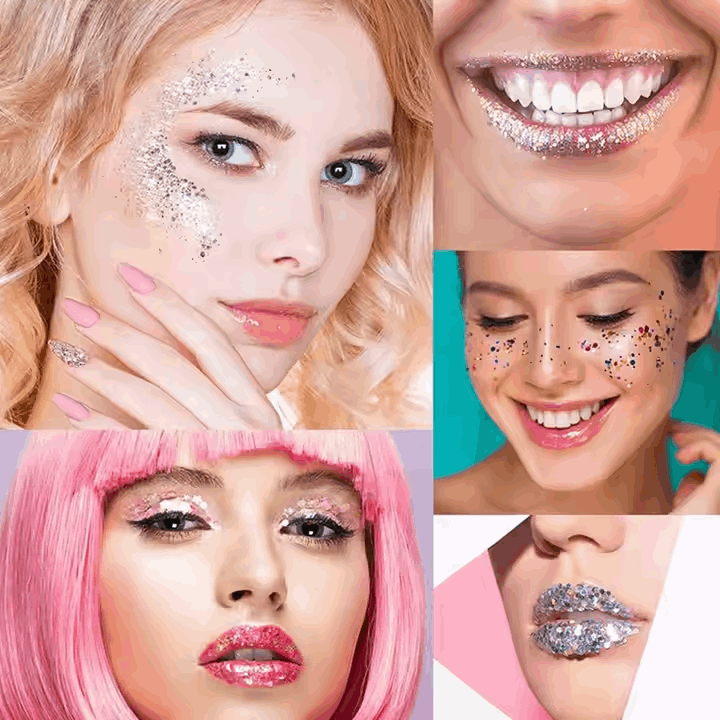
2. The Beauty Anchor: Defining the Face of Modern Cosmetics
The most immediate application of skin-safe mica powders is in the beauty industry. Here, the material is prized for its “soft-focus” effect and light-reflecting properties.
From Eyeshadows to Highlighters
Mica is the secret ingredient behind the “glow” of modern makeup. Because it is chemically inert and water-resistant, it blends perfectly with oil-based and powder-based cosmetics.
-
The Technique: When making DIY mineral makeup, mixing different shades of skin-safe mica allows for custom “duochrome” effects—colors that shift from gold to green or pink to gold depending on the light.
-
The Benefit: Unlike plastic-based glitters, mica is non-abrasive. It provides a luminous finish without scratching the delicate skin around the eyes or clogging pores.
3. The Resin Revolution: Suspending Light in Liquid Glass
The jump from cosmetics to heavy-duty art might seem vast, but epoxy resin artists have adopted skin-safe mica powders as their primary medium for a simple reason: suspension.
Creating the “Nebula” Effect
In fluid art, heavier pigments often sink to the bottom of the resin, ruining the design. Mica particles, however, are light and plate-like.
-
The Interaction: When stirred into resin, the mica flakes remain suspended in the viscous liquid, catching the light from every angle.
-
The Artistic Edge: By using skin-safe varieties, resin artists who create wearable art—such as jewelry, hair clips, or “worry stones”—can guarantee that their products are safe for prolonged contact with the skin. This “cross-over safety” is a major selling point for independent jewelry designers.
4. The Soap Scientist’s Secret: Stability in the Lye
Handmade soap making, particularly the “Cold Process” (CP) method, is a harsh chemical environment. The high pH of lye can cause many organic dyes to “bleed,” fade, or turn an unappealing brown.
Stability and Vibrancy
Skin-safe mica powders are remarkably stable. They do not migrate (bleed) between layers of soap, which is essential for creating crisp, multi-colored swirls.
-
The Creative Insight: In transparent “Melt and Pour” (MP) soap, mica creates a metallic, gemstone-like appearance. In opaque Cold Process soap, the mica provides a deep, saturated color that stays true for the life of the bar.
-
Bath Bomb Magic: Because these micas are skin-safe, they are the go-to choice for bath bombs. They tint the water with a magical shimmer without staining the skin or the bathtub, provided an emulsifier like Polysorbate 80 is used.
5. Expanding the Spectrum: Textiles, Candles, and Beyond
The versatility of skin-safe mica powders continues to bleed into unexpected sectors, proving its “Universal” label.
-
Eco-Friendly Textile Printing: High-end fabric designers use mica-infused inks to create shimmering patterns on silk and cotton. Being skin-safe, these fabrics remain non-toxic for the wearer.
-
Candle Aesthetics: While mica won’t change the color of the burning flame, it creates a “magic pool” effect. As the wax melts, the mica swirls in the heat, turning the candle into a moving piece of art.
-
Specialized Coatings: From “pearlescent” automotive interiors to high-end stationery, the demand for a safe, non-toxic shimmer is universal.
6. Conclusion: A Material Without Borders
The story of skin-safe mica powders is a story of creative liberation. It is one of the few materials that allows a creator to experiment across the boundaries of chemistry and art. When you invest in high-quality, ethically sourced, and skin-safe mica, you aren’t just buying a pigment; you are buying a key to a dozen different creative doors.
Whether it’s the shimmer on a bride’s eyelid, the swirl in a luxury bar of soap, or the deep “ocean waves” in a resin tabletop, mica is the invisible thread that connects them all. In the world of Bangsai-level supply, we recognize that color is more than a visual—it is a safe, tactile, and emotional experience that belongs in every medium.