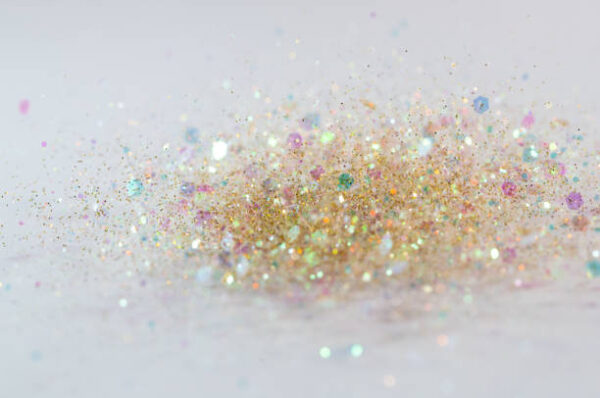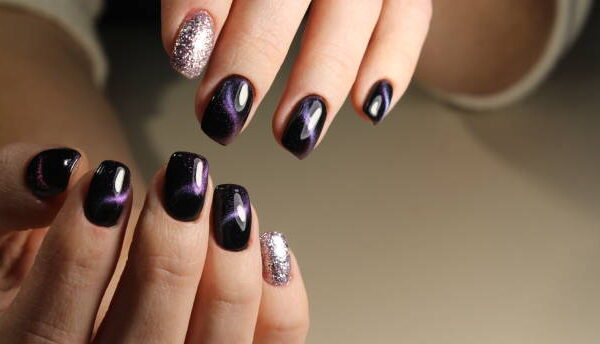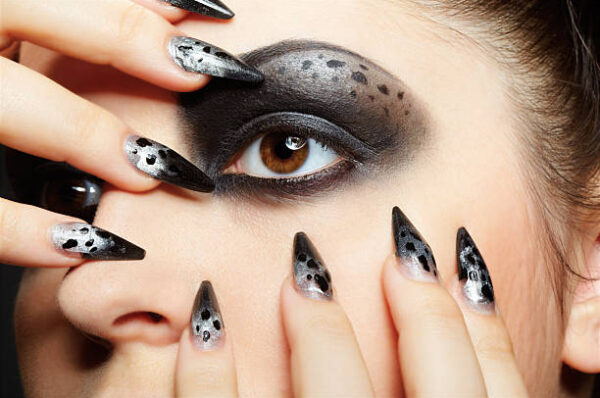
Light has always been the ultimate medium of human expression. Long before the invention of electric screens or synthetic dyes, ancient civilizations looked to the earth to find substances that could capture the shimmering essence of the sun and stars. Among these, mica—a natural mineral known for its crystalline structure and pearlescent sheen—has served as a primary vehicle for visual storytelling for over three thousand years.
As we shift from the physical world toward the digital metaverse, mica pigments are rapidly evolving. No longer limited to ancient grottos, they now energize virtual fashion, immersive art, and Guochao cosmetics. Meanwhile, their unique optical properties gain new relevance in digital visual expression. Ultimately, mica becomes a bridge linking Eastern aesthetics with future digital experiences.
1. The Ancient Radiance: Mica in the Cradle of Eastern Art
The history of mica powder pigments is inseparable from the history of religious and imperial art in Asia, particularly along the Silk Road.
The Dunhuang Legacy
In the Mogao Caves of Dunhuang, China, mica was used not just as a filler, but as a sophisticated optical tool. Tang Dynasty artists applied finely ground mica to the robes of Buddhist deities and the “Apsaras” (flying celestials).
-
The Action: By layering translucent mica over mineral pigments like malachite or cinnabar, artists created a “breathing” surface.
-
The Visual Effect: In the flickering light of oil lamps, these murals appeared to shimmer and move. The mica reflected light at varying angles, simulating the ethereal glow of a divine realm. This early mastery of light interference laid the foundation for what we now recognize as “pearlescent aesthetics.”
Global Parallelism
While the East mastered mica in murals, ancient Egyptians incorporated it into eye cosmetics to ward off the sun’s glare and honor the gods. During the Renaissance, European masters mixed powdered minerals into oil glazes to achieve a depth of color that mimicked the luster of silk and pearls. Across all cultures, mica was the “Golden Thread” connecting the material world to the sublime.
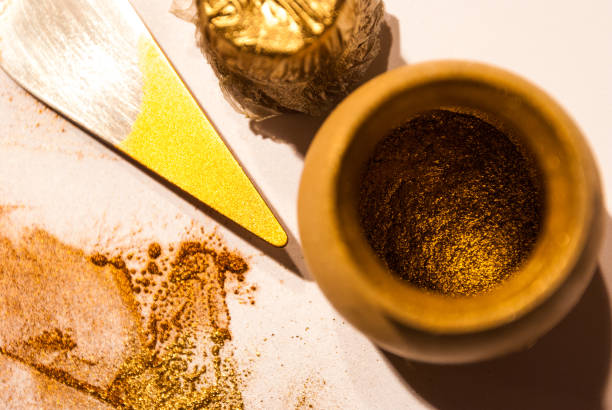
2. The Physics of the “Glow”: Why Mica is Irreplaceable
To understand why mica powder pigments remain the “Gold Standard” in both industrial and artistic sectors, one must analyze their unique physical structure.
Multilayer Interference and Refraction
Unlike traditional opaque pigments that absorb light, mica is a “transparent flake.” Modern pearlescent pigments are often created by coating these mica flakes with metal oxides (such as Titanium Dioxide or Iron Oxide).
-
Reflection: Light hits the surface of the metal oxide layer.
-
Refraction: Part of the light passes through the oxide and reflects off the mica surface beneath.
-
Interference: These two reflected waves “interfere” with each other, creating a shifting color effect (iridescence) that changes as the viewer moves.
Stability and Purity
Natural mica is chemically inert and thermally stable. This means it does not fade under UV exposure or react with various mediums like resins, oils, or plastics. Consequently, it remains the preferred choice for everything from high-end automotive coatings to sensitive cosmetic formulations.
3. The “Guochao” Renaissance: Mica in Modern Beauty
In recent years, the “Guochao” movement has revitalized traditional Eastern colors, and mica powder pigments are the driving force behind this trend.
Recreating the “Apsara” Look
Modern cosmetic brands are using advanced mica processing to recreate the “soft-focus” glow seen in ancient Chinese paintings. High-purity mica powder allows for a texture that is silky rather than gritty, enabling the creation of highlighters and eyeshadows that mimic the “shimmering water” or “morning dew” aesthetic highly valued in Eastern beauty standards.
The Intersection of Tradition and Safety
Today’s consumers demand both performance and purity. Ethical sourcing and the removal of heavy metals have transformed mica from a raw mineral into a sophisticated “Cosmetic Grade” ingredient. By using synthetic fluorphlogopite (a lab-grown mica variant) alongside natural mica, manufacturers can achieve even higher levels of transparency and “sparkle” without compromising skin safety.
4. Virtual Textures: Mica in the Digital and Metaverse Space
As we enter the era of virtual fashion and digital collectibles (NFTs), the “Optical Language” of mica is being translated into code.
Directing Digital Light
In the Metaverse, designers face the challenge of making virtual fabrics look “real.” To simulate the complex light-play of silk, satin, or iridescent armor, digital artists use “Shaders” that are modeled after the physical properties of mica powder pigments.
-
The Narrative: When a digital avatar wears a gown that shifts from deep purple to emerald green, the software is essentially simulating the multilayer interference of a mica flake.
-
The Dialogue: This creates a cross-temporal dialogue where the “ancient” glow of a Dunhuang mural informs the “future” aesthetic of a 3D digital asset. The mica effect bridges the gap between the tangible and the intangible.
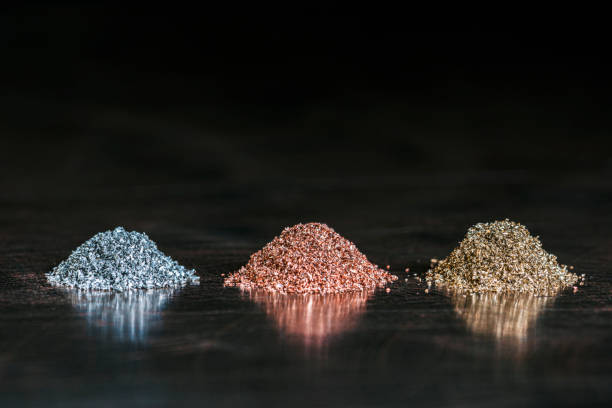
5. Industrial Versatility: The Functional Glow
Beyond aesthetics, the unique properties of mica powder pigments serve critical roles in modern industry.
-
Automotive Coatings: High-end car finishes use “Mica Flake” technology to provide a deep, 3D metallic luster that traditional aluminum pigments cannot match.
-
Plastic and Resin Art: From luxury furniture to daily household goods, mica provides a premium “marble” or “metallic” finish that increases the perceived value of the product.
-
Construction and Decor: Pearlescent architectural coatings use mica to create “dynamic walls” that change color based on the time of day and the angle of sunlight, echoing the environmental interactivity of ancient grottos.
6. Conclusion: An Eternal Shimmer
More than a mineral, mica stands as a living chronicle of light. From ancient artisans to modern digital creators, mica pigments capture fleeting shimmer. By mastering interference and refraction, we therefore continue an enduring aesthetic pursuit. Whether on skin, vehicles, or virtual garments, mica consistently makes surfaces glow. Moreover, it carries Eastern elegance while pioneering visions of the future. Thus, between ancient craft and digital art, mica creates light, not merely reflects it.