For decades, mica powder has been misunderstood. In many product descriptions, it appears as little more than a synonym for shimmer or sparkle. This oversimplification hides its true value. In reality, mica is one of the most versatile optical materials used in modern cosmetics, personal care, and skin-contact applications.
What determines its performance is not the mica itself, but how its surface is engineered.
Through advanced surface treatment technologies—such as titanium dioxide coating, silica modification, and multilayer interference deposition—skin-safe mica powders can deliver a wide spectrum of sophisticated visual effects. These effects range from velvety matte diffusion to intense metallic brilliance and multi-angle galaxy-level color shifts, all while remaining suitable for sensitive skin.
This article reframes mica powder as a precision optical material. It explains how surface treatment unlocks seven high-end makeup effects, why skin safety improves through surface engineering, and how customized mica powders support premium product differentiation.
Redefining Mica: From Basic Filler to Optical Design Material
Natural mica features a plate-like crystalline structure. This structure allows it to reflect and transmit light in layers. However, untreated mica offers limited control. It reflects broadly, lacks color precision, and provides inconsistent texture.
Surface treatment transforms mica from a passive mineral into an engineered material. By modifying the outer layer of each particle, manufacturers control:
-
Light reflection angle
-
Diffusion versus specular shine
-
Color purity and shift behavior
-
Skin feel and dispersion
-
Chemical stability and safety
As a result, skin-safe mica powders become tools for intentional visual design rather than decorative fillers.
Why Skin Safety Depends on Surface Treatment
Sensitive skin compatibility does not rely on particle size alone. Surface chemistry plays a critical role.
Properly treated mica powders reduce friction between particles and skin. They also stabilize pigments, limit migration, and improve formulation compatibility. These benefits directly enhance comfort, especially in products used around the eyes, lips, and face.
High-quality skin-safe mica powders typically feature:
-
Controlled mineral purity
-
Smooth, coated particle surfaces
-
Reduced sharp edges
-
Stable, non-reactive coatings
-
Compliance with cosmetic safety standards
Surface treatment does not simply add visual appeal. It actively improves skin tolerance and long-term wear.
Core Surface Treatment Technologies Explained
Before examining specific effects, it helps to understand the main surface technologies used in premium mica powder production.
Titanium Dioxide (TiO₂) Coating
Titanium dioxide coats mica plates to enhance reflectivity and brightness. The thickness of this coating determines whether the result appears pearlescent, metallic, or interference-based.
Silica (SiO₂) Treatment
Silica modifies surface texture. It diffuses light, improves oil absorption, and enhances softness. This treatment supports matte and soft-focus effects while improving skin feel.
Multilayer Interference Coating
Interference coatings rely on physics rather than dyes. By stacking ultra-thin oxide layers, manufacturers control which wavelengths reflect or cancel, creating angle-dependent color shifts.
Each technology contributes differently to visual outcomes. When combined with particle size control, they unlock a wide range of effects.
Effect One: Soft-Focus Matte Diffusion
Matte finishes require balance. Too much absorption dulls the skin, while insufficient diffusion causes uneven shine.
Silica-treated mica powders scatter light gently across the surface. This scattering softens visual texture and reduces harsh reflections. On skin, this effect minimizes the appearance of pores and fine lines without flattening natural contours.
Because silica treatment also improves oil control, this effect suits sensitive and combination skin. It delivers comfort alongside elegance.
Effect Two: Natural Satin Glow
Between matte and shimmer lies satin—a controlled, skin-like luminosity.
Thin titanium dioxide coatings create uniform light reflection across mica particles. Instead of sharp sparkle, the surface produces a smooth, even glow. This satin effect enhances skin radiance without emphasizing texture.
Formulators often use satin mica powders in foundations, blushes, and highlight-balancing products where subtle enhancement matters more than drama.
Effect Three: Refined Metallic Luster
Metallic effects require precision. Excessive reflectivity appears artificial, while weak reflectivity looks dull.
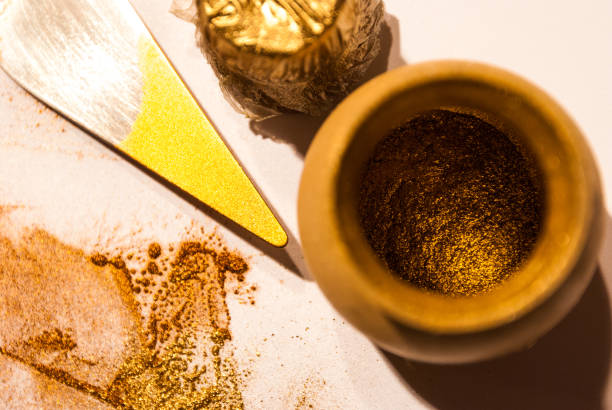
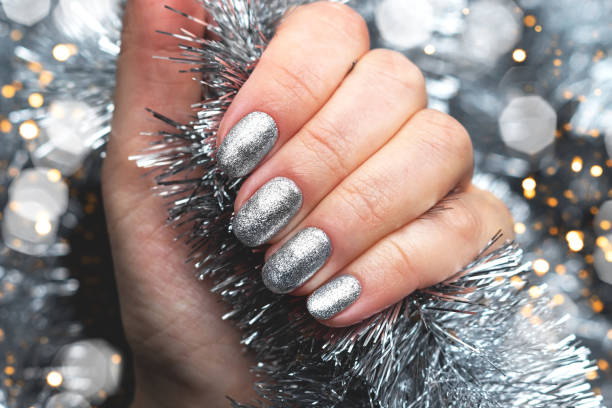
Through optimized TiO₂ coating thickness, mica powders achieve gold, silver, champagne, or bronze metallic finishes without introducing metal flakes. These powders remain lightweight, smooth, and skin-safe.
This effect suits premium color cosmetics where elegance and clarity define the brand image.
Effect Four: Clean Pearl Reflection
Pearlescent mica powders deliver brightness with softness. Unlike metallic finishes, pearl effects reflect light broadly and gently.
This effect results from medium-thickness titanium dioxide coatings combined with controlled particle geometry. The result feels luminous rather than glossy.
Pearl mica powders enhance dimensionality while preserving natural skin tone visibility, making them ideal for everyday cosmetic applications.
Effect Five: Interference Color Shift
Interference mica powders rely on multilayer oxide coatings rather than pigments. These layers manipulate light wavelengths, causing subtle color changes depending on viewing angle.
Instead of obvious color flipping, high-quality interference mica delivers refined transitions—such as gold to pink or blue to violet. These shifts feel sophisticated rather than theatrical.
Because interference effects do not rely on dyes, they maintain high skin safety and color stability.
Effect Six: Multichromatic “Galaxy” Shine
Galaxy-level effects require depth and coordination. Advanced interference coatings stack multiple reflective layers to create complex chromatic behavior.
Each mica particle contributes to a broader visual field rather than standing out individually. As light moves, the surface appears dynamic and immersive.
This effect supports editorial makeup, premium accent products, and high-impact designs while maintaining a smooth skin feel.
Effect Seven: Translucent Brightness Without Coverage Loss
Some applications require glow without opacity. Surface-treated mica powders preserve translucency while adding light interaction.
Ultra-thin coatings allow the underlying skin tone or base formulation color to remain visible. This effect prevents heaviness and supports natural-looking finishes.
Translucent mica powders perform especially well in products designed for sensitive skin users who prefer lightweight textures.
Why Surface Treatment Matters More Than Color Alone
Color defines appearance at first glance, but surface treatment defines experience. Two mica powders with identical color can behave very differently depending on the coating technology.
Surface-treated mica powders determine:
-
How light behaves under different angles
-
How products feel during application
-
How formulations remain stable over time
-
How skin responds after extended wear
For brands, this distinction separates commodity pigments from premium materials.
Customization: Turning Technology Into Brand Signature
Customization transforms mica powder into a strategic asset. Through tailored surface treatments, suppliers like BANGSAI align material performance with brand identity.
Customization options include:
-
Coating thickness adjustment
-
Light diffusion tuning
-
Color shift precision control
-
Skin feel optimization
-
Application-specific dispersion behavior
These capabilities allow brands to own unique visual languages rather than relying on generic effects.
Skin-Safe Mica Powders as a Trust Signal
Modern consumers evaluate ingredients carefully. Skin safety communicates transparency and responsibility.
Surface-treated mica powders support this trust by delivering predictable behavior, reduced irritation risk, and consistent performance. Brands that invest in material quality build long-term loyalty.
For sensitive skin markets, this commitment becomes a competitive advantage.
Beyond Cosmetics: Broader Application Potential
Although cosmetics dominate demand, skin-safe mica powders extend into personal care, dermatological products, and skin-contact decorative applications.
Their versatility reinforces their role as foundational materials rather than trend-driven additives.
Conclusion: When Surface Engineering Creates Visual Intelligence
Mica powder is not just shimmer. Through surface treatment technology, it becomes an intelligent optical material.
From matte diffusion to galaxy-level brilliance, skin-safe mica powders enable controlled, refined, and emotionally resonant effects while respecting sensitive skin needs.
For brands seeking premium differentiation, surface engineering defines success. By mastering these technologies, suppliers and designers do more than create beauty—they design how light interacts with skin.
That precision transforms materials into experiences.