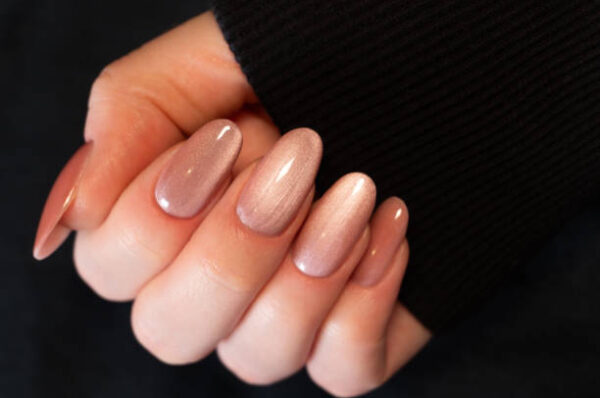
Particle Size: Key to Thermochromic Pigments
These pigments change color with heat. Particle size is crucial for performance. The wrong size causes clogging or weak color. This article covers 5μm, 15μm, and 50μm. It explains traits, uses, and processing tips.
Basic Principles
Each pigment has a microcapsule structure. Heat melts the core to shift color. Size affects process and visual results. Fine sizes suit thin layers. Coarse sizes give bold colors. Small particles pass screens easily. Large ones resist high shear. Match size to method for best results.
5μm: Ultra-Fine for Precision
This dust-like powder works for high-resolution jobs. It excels in fine screen printing (250–350 mesh). It also suits tiny text or logos. Disperse well to avoid clumping. Injection molding is hard for 5μm. Heat and shear can damage it. Use low screw speed and temps below 200°C. For printing, try water-based inks with dispersants. Stir slowly and apply thin coats. Cure under 150°C.
15μm: All-Purpose Standard
This is the industry benchmark. It balances performance and cost. Use it for most commercial jobs. It passes standard screens easily. It also withstands moderate heat. Direct mix with resin pellets for molding. Keep temp at 180°C with a short residence time. For printing, use 160–200 mesh screens. It also works for flexo, gravure, and blow molding. Expect uniform color change in films and bottles.
50μm: Coarse for Textured Effects
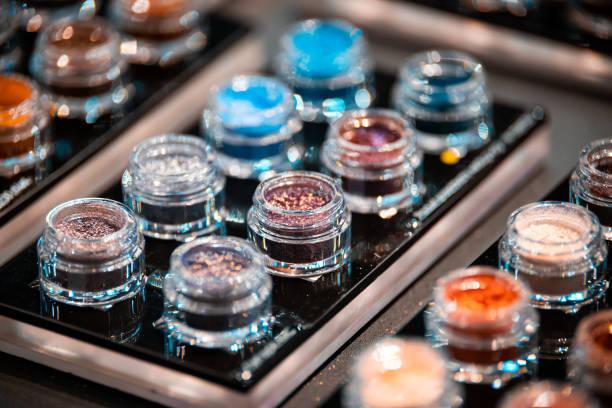
This sand-like pigment creates a speckled or glittery look. Ideal for resin art, slime, and putty. Sprinkle it on surfaces for crafts. Avoid thin-wall injection molding—it causes bumps. Only use for thick items like toys or handles. For spraying, stir often to prevent settling. Use large-nozzle guns and heavy coats. Match only with screens below 100 mesh.
Comparison & Selection Tips
Here is a quick comparison. 5μm: 250–350 mesh, hard to mold, smooth finish. 15μm: 160–200 mesh, easy to mold, strong color. 50μm: below 100 mesh, avoid molding, textured look. Choose based on four things: method, color strength, substrate, and budget.
Testing & Common Mistakes
Always test before full production. Try all three sizes under real conditions. Check for clogging, color shift, and durability. Avoid these errors: fine pigment in thick coatings (sinks), coarse pigment on fine mesh (clogs), and over-shearing in extruders (breaks capsules). For ink, use 10–25% pigment in a clear base. For masterbatch, mix 40% pigment with 60% resin. Then dilute to 5% to reduce damage.
Storage & Future Trends
Store pigments in dry, UV-proof sealed containers. Keep below 40°C. Shelf life reaches 2 years. Future trends include nano-encapsulation under 1μm. This allows transparent coatings and digital printing. Still, 15μm remains the cost-effective standard.
Final Recommendations
Choose 5μm for high-resolution, smooth printing. Pick 15μm for general molding and printing. Select 50μm for crafts and textured coatings. Match particle size to your equipment. Test before mass production. Store properly for a stable, vibrant color change.