Growing Demand for Holiday Glitter Products
As Christmas and New Year approach, glitter continues to play an important role in seasonal decoration, crafting, beauty, and promotional products. Its reflective finish adds instant visual impact, helping ordinary products and decorations create a stronger festive atmosphere.
For retailers, craft suppliers, beauty brands, and holiday product manufacturers, Christmas glitter products are increasingly becoming more diverse. Traditional red and green glitter remain popular, while metallic finishes, vibrant colors, specialty shapes, and biodegradable materials are expanding the available product range.
During Christmas, glitter is widely used for ornaments, greeting cards, gift packaging, Christmas trees, and DIY decorations. For New Year celebrations, glitter is often incorporated into party decorations, makeup, accessories, table settings, and event supplies.
This versatility makes holiday glitter products suitable for both consumer-facing products and B2B seasonal collections. At the same time, growing interest in personalized designs and sustainable materials is influencing how manufacturers develop new glitter products for the 2026 holiday season.
This article explores the key 2026 Christmas glitter product trends, including holiday color palettes, creative applications, popular glitter shapes, and the growing demand for biodegradable glitter.

Color Trends for Christmas and New Year Glitter Products in 2026
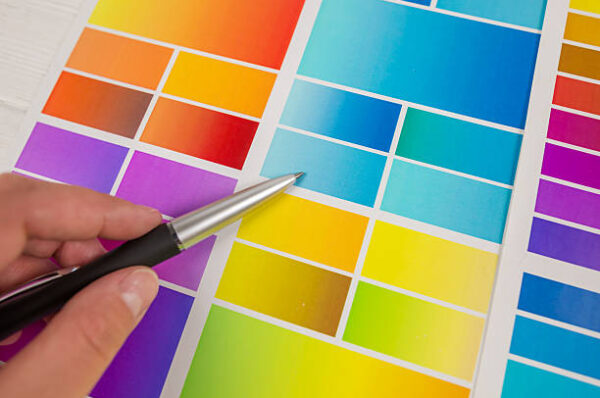
Color selection remains one of the most important factors when developing seasonal glitter collections. For 2026, holiday glitter trends combine traditional Christmas colors with contemporary neutrals and bold shades.
Classic Red and Green Glitter
Traditional Christmas colors continue to have strong visual recognition. Deep red and rich green glitter complement classic Christmas ornaments, gift packaging, greeting cards, and tree decorations.
Modern collections can further update these familiar colors by incorporating jewel tones such as ruby red and emerald green with metallic effects. This combination maintains the traditional holiday aesthetic while giving finished products a more premium appearance.
Neutral and Minimalist Glitter Colors
Soft white, cream, beige, and other neutral tones are gaining attention among brands targeting minimalist holiday aesthetics.
These colors provide a subtle background for glitter and allow reflective effects to remain visually prominent without making a design feel overly busy. Neutral glitter can also be combined with brighter accents, including orange and pastel shades, to create more contemporary seasonal products.
Bold and Vibrant Glitter Colors
Alongside traditional palettes, bright colors are creating more opportunities for distinctive New Year glitter products.
Bright pink, electric blue, and vivid purple can add energy to party decorations, beauty products, accessories, and DIY kits. Combining these colors with glitter finishes creates a stronger sense of glamour and encourages consumers to personalize their holiday styles.
Overall, the 2026 color direction provides manufacturers and retailers with a broad range of options, from classic Christmas palettes to modern and expressive color combinations.
Creative Applications of Holiday Glitter Products
The versatility of glitter allows it to be incorporated into multiple holiday product categories. For 2026, three major application areas continue to attract attention: beauty, crafts, and DIY kits.
Holiday Makeup and Beauty
Glitter is widely used to create festive makeup looks for Christmas parties, New Year events, and seasonal celebrations.
Fine glitter can be applied to the eyelids, while face gems and face glitter can create more elaborate looks. Offering multiple colors, particle sizes, and finishes allows beauty brands to develop customizable holiday collections for different consumer preferences.
Christmas Crafts and DIY Decorations
Crafting remains an important application for Christmas glitter. Consumers can use glitter to decorate greeting cards, handmade ornaments, gift packaging, Christmas trees, and other seasonal projects.
For manufacturers and craft suppliers, specialized glitter products can be developed for specific applications. Glitter-infused glue, decorative glitter mixes, and pre-selected color combinations can simplify DIY projects while creating a more consistent finished appearance.
Glitter DIY Kits
DIY kits provide another opportunity to incorporate glitter into holiday merchandise. These products combine multiple materials into one convenient package, making them suitable for individual consumers, families, schools, and seasonal activities.
Potential products include festive nail art kits, Christmas decoration kits, glitter ornament sets, and craft kits featuring glittered pinecones or decorative baubles.
For B2B buyers, combining glitter with complete DIY kits can also create opportunities for seasonal gift sets and promotional merchandise.
Best-Selling Glitter Products and Emerging Trends for 2026
Several product formats are attracting attention in the 2026 holiday glitter market, particularly specialty shapes and sustainable glitter materials.
Hexagonal Snowflake Sequins
Hexagonal snowflake sequins combine geometric structure with winter-inspired design. Their reflective surfaces can create attractive light effects across Christmas cards, gift packaging, ornaments, and festive crafts.
Their flexible applications make them suitable for both DIY consumers and commercial holiday product manufacturers.
Christmas Tree-Shaped Glitter
Christmas tree-shaped glitter directly reflects the visual identity of the holiday season. It is particularly suitable for children’s crafts, greeting cards, ornaments, gift decoration, and DIY projects.
Specialty-shaped glitter can help manufacturers differentiate seasonal products while giving consumers more creative options than standard glitter particles.
Biodegradable Glitter
Biodegradable glitter is becoming an increasingly important trend as consumers and brands pay greater attention to sustainability.
Compared with conventional plastic-based glitter, biodegradable alternatives are designed to provide decorative effects while addressing concerns surrounding persistent plastic particles. This makes them particularly relevant for environmentally conscious holiday products.
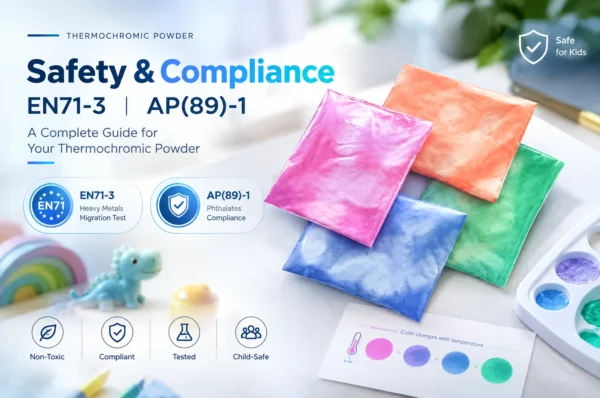
For children’s craft products and other consumer applications, manufacturers should also pay close attention to applicable safety and material compliance requirements. Appropriate certifications and testing can help buyers verify that glitter products meet the requirements of their target markets.
What These Glitter Trends Mean for B2B Buyers
For retailers, distributors, craft suppliers, and holiday product manufacturers, the 2026 market presents several opportunities for product development.
First, maintaining a balanced color portfolio can help address both traditional and contemporary holiday preferences. Classic red and green remain relevant, while neutral and vibrant shades can support more specialized collections.
Second, specialty shapes such as snowflakes and Christmas trees can increase product differentiation. These formats are particularly suitable for seasonal craft kits, decorations, and children’s products.
Finally, biodegradable glitter provides an additional product direction for brands seeking more sustainability-focused holiday collections. Material specifications, safety testing, and compliance documentation should therefore be considered during supplier selection.
Conclusion: Building Competitive Glitter Collections for 2026
The 2026 Christmas glitter product trends reflect a combination of traditional holiday aesthetics, creative personalization, and growing sustainability awareness.
Classic red and green glitter continue to support Christmas decorations, while neutral and vibrant colors provide new design possibilities for modern holiday collections. At the same time, specialty products such as hexagonal snowflake sequins, Christmas tree-shaped glitter, and biodegradable glitter are creating additional opportunities for retailers and manufacturers.
By combining attractive colors, innovative shapes, flexible applications, and appropriate material compliance, B2B buyers can develop more competitive Christmas and New Year glitter products for the 2026 holiday season.